Understanding the rokok88 Concept in Sushi Dining
The sushi dining experience is constantly evolving, and one innovative concept gaining traction is known as rokok88. This concept emphasizes a unique blend of traditional sushi preparation and modern dining aesthetics, enhancing the overall experience for sushi enthusiasts. By integrating contemporary elements while respecting the rich history of sushi, restaurants can attract a diverse clientele and provide an unforgettable culinary journey. When exploring options, rokok88 provides comprehensive insights into this dynamic approach.
What is rokok88?
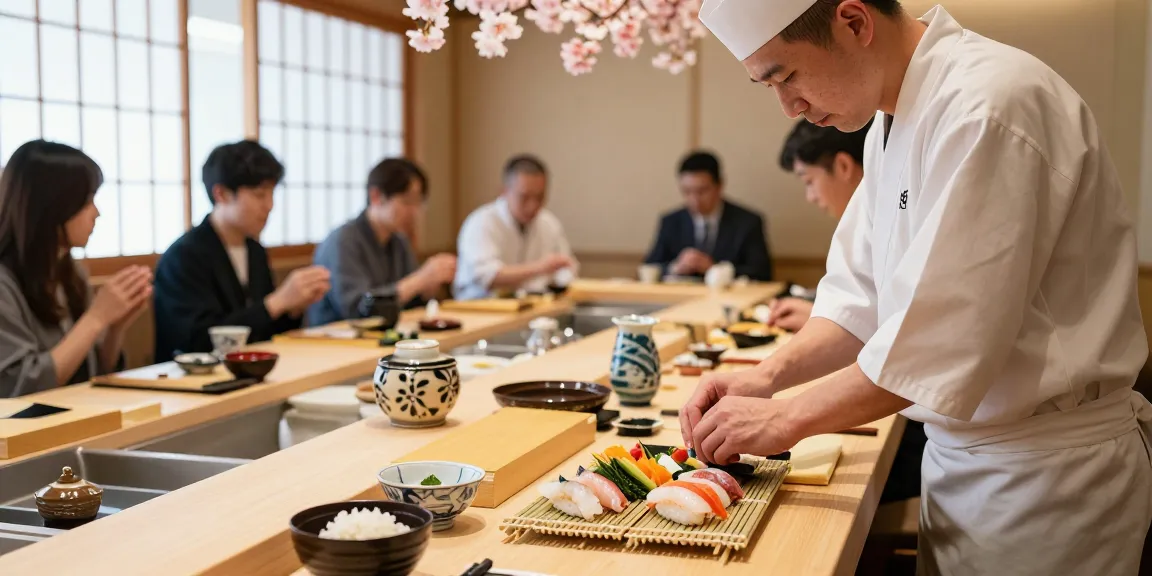
Rokok88 represents a fusion of high-quality sushi and an immersive dining experience. It goes beyond merely serving food; it creates an atmosphere where patrons can appreciate the artistry of sushi making. This concept often incorporates elements such as open kitchens, interactive dining, and curated tasting menus that showcase seasonal ingredients. The idea is to engage all the senses—sight, smell, taste, touch, and even sound—turning a meal into an event.
The Evolution of Sushi and Its Cultural Significance
Sushi has a long-standing history that dates back to the 8th century. Originally a method of preserving fish in fermented rice, sushi has transformed into a celebrated culinary art form. Each region in Japan has its own style, whether it be nigiri, sashimi, or maki. The cultural significance of sushi extends beyond just food; it embodies Japanese aesthetics and values, emphasizing beauty, simplicity, and balance.
As sushi has gained international acclaim, different cultures have embraced it, leading to various adaptations. Understanding the evolution of sushi helps restaurateurs appreciate its historical context and informs how they can innovate while respecting tradition.
How rokok88 Enhances Customer Experience
The rokok88 concept is designed to enhance the customer experience in significant ways. By prioritizing interaction and transparency, diners can witness the meticulous preparation of their meals, deepening their appreciation for the craft. Furthermore, the ambiance plays a crucial role; soft lighting, elegant decor, and attentive service create a welcoming environment that encourages diners to linger and savor their meal.
Moreover, the incorporation of technology, such as digital menus and interactive tables, allows for a personalized experience. Patrons can learn about the ingredients, suggest pairings, and even customize their orders in real-time, making each visit unique and tailored to their preferences.
Key Elements of a Successful Sushi Restaurant
Creating an Inviting Atmosphere
The atmosphere of a sushi restaurant can significantly influence customer satisfaction. Elements such as lighting, seating arrangement, and decor contribute to an inviting space. Consider utilizing natural materials like wood and stone to reflect the essence of Japan. Incorporating elements such as traditional Japanese art or modern interpretations of it can create a visually appealing ambiance.
Additionally, music plays a subtle yet essential role in setting the mood. Calming background music can enhance the dining experience, making it more enjoyable and relaxing.
Essential Menu Items for a Competitive Edge
For a sushi restaurant to stand out, it’s important to offer a diverse and innovative menu. While traditional items like tuna nigiri and California rolls are essential, introducing unique variations can attract adventurous eaters. Seasonal specials or limited-time offerings can create a sense of urgency and excitement.
- Signature Rolls: Create a few unique rolls that reflect local flavors or seasonal ingredients.
- Sashimi Platters: Offer a variety of fresh fish served beautifully.
- Vegetarian Options: Cater to dietary restrictions with creative vegetarian sushi.
- Pairings: Suggest beverage pairings, such as sake or Japanese beers, tailored to the menu items.
Staff Training and Customer Interaction Tips
Training staff to deliver exceptional service is crucial in the competitive sushi industry. Employees should be knowledgeable not only about the menu but also about the origins of the dishes and the culture surrounding sushi. This knowledge allows them to guide customers through their dining experience effectively.
Encouraging staff to engage with customers can create a more personalized experience. Simple interactions, such as explaining the preparation of the dishes or offering recommendations, can leave a lasting impression on diners.
Effective Marketing Strategies for Sushi Restaurants
Leveraging Social Media and Online Presence
In today’s digital age, having a strong online presence is essential for any sushi restaurant. Utilizing platforms like Instagram and Facebook allows restaurants to showcase their dishes visually, engage with customers, and share behind-the-scenes content.
High-quality images and videos of food preparation, along with customer testimonials, can increase engagement. Additionally, partnering with food influencers can reach a broader audience, elevating the restaurant's visibility.
Content Marketing Ideas Focused on rokok88
Implementing a content marketing strategy that highlights the rokok88 concept can set a restaurant apart. Creating blog posts or articles about sushi techniques, history, and the dining experience can attract diners interested in the craft of sushi. Sharing recipes or cooking tips can also engage customers and encourage them to visit.
Organizing events such as sushi-making classes or tasting events can provide practical experiences and create buzz within the community.
Building Community Engagement Through Events
Host events that bring the community together and celebrate Japanese culture. This could be anything from themed nights to holiday celebrations like Hanami, where people gather to appreciate cherry blossoms. These events foster a sense of belonging and can help build a loyal customer base, driving repeat visits.
Moreover, collaborating with local businesses or artists for pop-up events can inspire creativity and provide fresh experiences for attendees.
Challenges Facing Sushi Restaurants in 2026
Supply Chain Issues for Fresh Ingredients
As the demand for high-quality sushi increases, sushi restaurants may encounter supply chain challenges, particularly regarding fresh seafood. Global events, climate change, and overfishing may impact the availability and pricing of fish. Restaurants should focus on building strong relationships with suppliers and considering alternative sourcing strategies, such as local farms or sustainable fisheries.
Adapting to Changing Customer Preferences
Today's consumers are increasingly health-conscious, leading to a shift in dining preferences. Sushi restaurants must adapt their menus to include healthier options, such as low-carb, gluten-free, and vegetarian alternatives. Understanding customer demographics and adjusting offerings accordingly can help maintain relevance in an ever-changing market.
Competition in the Sushi Market
The sushi market is becoming increasingly competitive, with new concepts entering the fray. To remain relevant, restaurants must continuously innovate their menu and service offerings. This could involve experimentation with fusion cuisines or introducing new flavors that resonate with local tastes.
Leveraging unique selling propositions, such as sustainability practices or specialized menus, can also differentiate a restaurant in a saturated market.
Future Trends in the Sushi Restaurant Industry
Technological Innovations in Sushi Preparation
As technology progresses, sushi restaurants may integrate advanced kitchen equipment to streamline operations. Automation in food preparation, for instance, can maintain consistency and speed, while still emphasizing quality. Sushi robots that prepare rice or cut fish may become more commonplace, allowing chefs to focus on creativity and presentation.
Sustainability Practices in Sushi Dining
With growing awareness of environmental issues, sustainability will play a critical role in the future of sushi dining. Restaurants will be expected to source ingredients responsibly, minimizing their ecological footprint. This could involve partnering with local fisheries that practice sustainable fishing or utilizing plant-based ingredients to reduce reliance on seafood.
How to Stay Ahead in a Competitive Environment
To thrive in the sushi restaurant industry, it is essential to remain adaptable. Regularly refreshing the menu, embracing technological advancements, and focusing on customer engagement will help keep the restaurant relevant. Continuous training for staff to enhance their skills and knowledge can also ensure a high standard of service.
What challenges will sushi restaurants face in 2026?
The challenges that sushi restaurants face in 2026 will primarily revolve around supply chain stability, evolving consumer preferences, and increasing competition. Keeping abreast of trends and being prepared to pivot will be critical for survival.
How can I improve my sushi restaurant's marketing?
Improving marketing strategies may include enhancing social media engagement, implementing loyalty programs, and focusing on content marketing that shares the unique aspects of the rokok88 concept. Leveraging customer feedback to refine offerings can also enhance marketing efforts.
What are the essential menu items for a successful sushi restaurant?
Essential menu items should encompass a balance of classic sushi offerings and innovative creations that showcase seasonal ingredients. Including vegetarian options and highlighting unique roll creations can attract a wider audience.
How does the rokok88 concept improve customer experience?
The rokok88 concept significantly improves customer experience by integrating interactive elements, enhancing ambiance, and providing transparency in food preparation, making the dining outing a memorable occasion.
What trends should sushi restaurants focus on in the coming years?
Sushi restaurants should focus on sustainability, technology integration, and diverse menu offerings to cater to changing consumer preferences. Additionally, engaging community events and promoting cultural appreciation can help build loyal customer bases.