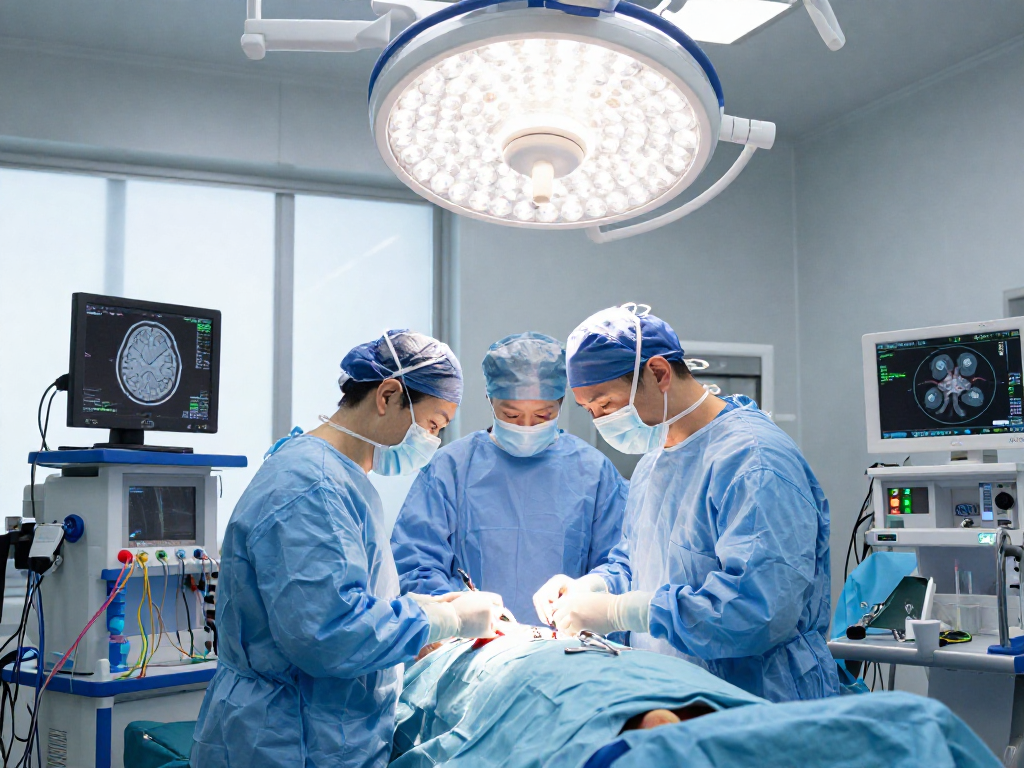
Understanding Brain Tumors and Surgery
Brain tumor surgery, or beyin tümörü ameliyatı, is a critical intervention that involves the removal of tumors from the brain or surrounding tissues. This type of surgery is essential for both benign and malignant tumors, aiming to alleviate symptoms, improve quality of life, and potentially cure the patient. With advancements in technology, the precision and safety of these procedures have significantly improved, enabling healthcare professionals to provide better care for patients with brain tumors. When exploring options, beyin tümörü ameliyatı provides comprehensive insights into the procedure, types of tumors, and postoperative expectations.
What is a Brain Tumor?
A brain tumor is an abnormal growth of cells within the brain. These tumors can be classified as either primary, originating in the brain, or secondary, or metastatic, which means they have spread from other body parts. Tumors can be benign (non-cancerous) or malignant (cancerous), with varying degrees of severity and treatment options. Understanding the type of tumor is crucial in determining the best management strategy, as symptoms and treatment approaches can vary widely.
Types of Brain Tumors: Meningiomas and Glial Tumors
There are several types of brain tumors, but two of the most common categories are meningiomas and glial tumors. Meningiomas arise from the meninges, the protective membranes covering the brain and spinal cord, and are often benign. In contrast, glial tumors originate from glial cells that support and protect neurons, with glioblastoma multiforme (GBM) being the most aggressive form. The choice of treatment depends on the tumor's type, location, and the overall health of the patient.
The Surgical Process for Brain Tumor Removal
The surgical process for removing a brain tumor is multifaceted and requires careful planning and execution. It involves several stages, from diagnosis to postoperative care, ensuring that patients receive the best possible outcome. Understanding these stages is essential for patients and their families in preparing for the procedure and managing expectations.
Stages of Beyin Tümörü Ameliyatı
- Diagnosis and Imaging: Accurate diagnosis is obtained through imaging studies such as MRI or CT scans to determine the tumor's size, type, and location.
- Preoperative Planning: This stage includes strategies for minimizing risks, considering patient history, and preparing surgical techniques tailored to the individual.
- Surgical Intervention: The surgery itself can vary in length and complexity, depending on the tumor’s characteristics and the chosen surgical approach.
- Postoperative Monitoring: After surgery, patients are closely monitored for complications and signs of recovery.
Techniques Used: Awake Surgery and Neuronavigation
Modern brain surgery often employs advanced techniques such as awake surgery and neuronavigation. Awake surgery allows surgeons to monitor brain function in real-time while excising tumors located near critical areas responsible for speech or motor skills. This method enhances the chance of safely removing the tumor while preserving essential brain functions. Neuronavigation, on the other hand, provides surgeons with precise imaging guidance during the operation, ensuring accuracy and improved outcomes.
Planning and Pre-Operative Preparation
Effective pre-operative planning is key to the success of brain tumor surgery. This involves comprehensive imaging studies, multidisciplinary team discussions, and detailed strategy formulation. Patients may undergo preparatory treatments, such as corticosteroids, to minimize swelling and enhance surgical outcomes. Adequate patient education regarding the procedure, risks, and expected recovery phases is also essential to alleviate anxiety and foster cooperation.
Risks and Considerations in Brain Tumor Surgery
While brain tumor surgery can be life-saving, it also carries inherent risks. Understanding these risks can help patients make informed decisions and prepare adequately for surgery.
Identifying Potential Risks of Beyin Tümörü Ameliyatı
- Infection: As with any surgical procedure, there is a risk of infection, which can complicate recovery.
- Bleeding: Surgeons must navigate delicate vascular structures, and bleeding can occur during or after surgery.
- Neurological Deficits: Depending on the tumor's location, patients may experience weakness, speech difficulties, or other neurological impairments if adjacent brain areas are affected.
- Seizures: Post-operative seizures can occur due to irritation of brain tissue during surgery.
Managing Patient Expectations: Recovery Challenges
Recovery from brain tumor surgery is a gradual process, often involving physical therapy and rehabilitation to regain strength and function. Patients should expect various challenges, including fatigue, cognitive changes, and emotional fluctuations. Setting realistic expectations and having a support system in place can significantly impact the recovery journey.
Understanding Complications and How to Prevent Them
Complications can arise in the days and weeks following surgery, including cerebrospinal fluid (CSF) leaks or complications related to anesthesia. Awareness of warning signs and prompt reporting to healthcare providers can mitigate these risks. Following postoperative instructions is crucial for preventing complications and promoting healing.
Post-Surgery Care and Follow-Up
After brain tumor surgery, post-operative care and follow-up are critical components of the treatment process, ensuring patients achieve the best possible recovery outcomes.
Immediate Post-Operative Care: What to Expect
In the immediate hours following surgery, patients are typically monitored in a recovery unit. Healthcare providers will assess neurological function and vital signs closely. Pain management is also an integral part of immediate care, as patients may experience discomfort following the procedure.
Long-Term Follow-Up and Monitoring for Recurrence
Regular follow-ups are necessary to monitor for any signs of recurrence. This usually involves imaging studies at specific intervals to detect any regrowth of the tumor. Follow-up care is tailored based on the tumor type, treatment received, and individual patient factors.
Rehabilitation Strategies After Surgery
Rehabilitation plays a vital role in recovery, focusing on restoring cognitive and physical abilities. Occupational therapy, speech therapy, and physical therapy may be recommended to assist patients in regaining independence and improving quality of life. Support groups and counseling can also be beneficial in addressing emotional and psychological aspects of recovery.
The Future of Brain Tumor Treatment
The landscape of brain tumor treatment is evolving rapidly, with new technologies and research promising to enhance patient outcomes significantly.
Emerging Technologies and Techniques in Neurosurgery
Future advancements in neurosurgery may include improved imaging technologies, robotic-assisted surgery, and enhanced intraoperative monitoring systems. These innovations aim to increase precision in tumor excision and reduce surgical risks.
The Role of Gamma Knife in Non-Invasive Treatment
Gamma Knife radiosurgery represents a significant non-invasive treatment option for brain tumors, particularly for those difficult to access surgically or in patients unfit for traditional surgery. This method uses focused radiation to target tumors, minimizing damage to surrounding healthy tissue.
Future Trends in Oncology for Brain Tumors by 2026
As research in oncology progresses, we can expect more personalized treatment strategies based on genetic profiling of tumors. This tailored approach aims to enhance the effectiveness of therapies and improve overall survival rates for patients with brain tumors.
What is the recovery time after beyin tümörü ameliyatı?
The recovery time varies based on several factors, including the type of tumor, the extent of surgery, and the patient's overall health. Typically, initial recovery may take several weeks, while full recovery can extend to months.
Are there risks associated with brain surgery?
Yes, brain surgery carries risks such as infection, bleeding, and neurological deficits. Understanding these risks helps patients engage more meaningfully in the decision-making process regarding their treatment.
What are the signs of complications post-surgery?
Signs of complications can include severe headaches, fever, visual changes, or weakness. For more information, beyin tümörü ameliyatı offers valuable insights. Patients should contact their healthcare provider immediately if they experience any concerning symptoms during recovery.
Is awake surgery effective for brain tumors?
Awake surgery can be highly effective, especially for tumors located near critical brain functions. It allows for real-time feedback during the procedure, ensuring that vital areas are preserved while maximizing tumor removal.
What advancements can we expect in brain surgery?
Future advancements may include more sophisticated imaging techniques, artificial intelligence integration in surgery, and improved methodologies for tumor targeting and removal.